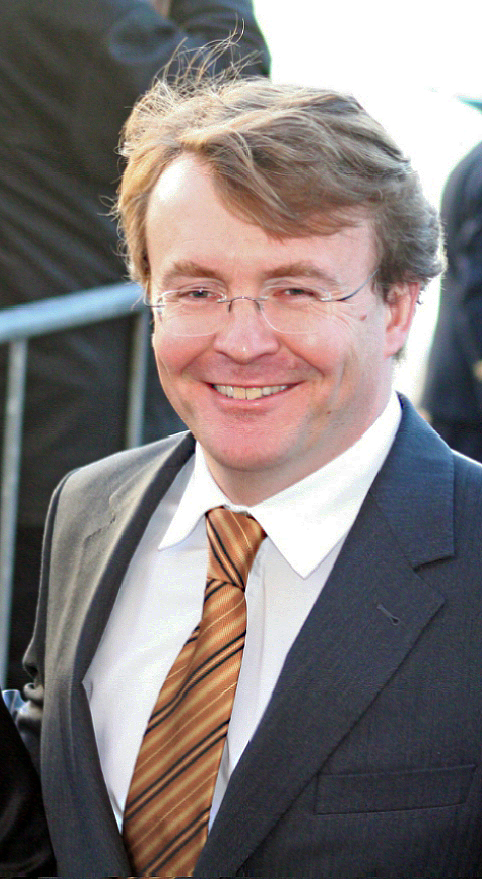
Dutch Windmills in Mourning: Honoring Prince Friso's Legacy
The Netherlands, a nation often characterized by its resilience and deep respect for tradition, experienced a profound moment of collective sorrow with the passing of His Royal Highness Prince Friso of Orange-Nassau. The news of *dood Friso* (the death of Friso) sent ripples across the country, prompting a response that blended modern digital expressions of grief with centuries-old Dutch customs. Among the most evocative and uniquely Dutch tributes was the solemn act of setting the nation's iconic windmills into a special 'rouwstand' – a position of mourning. This gesture, steeped in history and symbolism, offered a poignant visual testament to a nation's respect for a beloved royal and highlighted the enduring connection between the Dutch people, their heritage, and their monarchy.
A Nation United in Grief: The Digital and Traditional Outpouring
Following the tragic *dood Friso*, the outpouring of national grief was immediate and widespread. Even before official announcements from the Royal House, the digital sphere became a hub for shared sorrow. Social media platforms like Twitter saw #Friso and #koninklijkhuis (Royal House) rapidly trend, as thousands of citizens expressed their condolences, shared memories, and offered messages of support to the Royal Family. This digital solidarity was swiftly complemented by traditional avenues of remembrance. The official website of the Royal House opened a condolence register, mirroring the thousands of messages that had already flooded independent online registers like condoleance.nl, which registered over 6,000 entries within an hour of the news breaking. This immediate, dual-pronged response underscored a modern nation’s ability to grieve publicly and intimately, leveraging both new technologies and time-honored practices. For more insights into how the Netherlands embraced both digital and traditional farewells, read our related articles:
Netherlands Mourns Prince Friso: Online Condolences & Royal Tradition and
Prince Friso's Passing: A Nation's Digital & Traditional Farewell.
While the digital world buzzed with remembrance, a more serene and deeply symbolic act began to unfold across the Dutch landscape: the windmills, those enduring symbols of Dutch ingenuity and resilience, began to assume their mourning position. This silent, majestic tribute offered a powerful counterpoint to the rapid-fire nature of online reactions, connecting the current moment of grief to a deep wellspring of national history and tradition.
The Poignant Symbolism of the Windmill in Mourning
The 'rouwstand,' or mourning position, of Dutch windmills is not merely a technical adjustment; it is a profound cultural statement. This deeply rooted tradition, activated following the *dood Friso*, transforms the functional machinery of the mill into a canvas of collective emotion. Windmills in the Netherlands have historically been more than just tools for drainage or grinding grain; they served as vital communication hubs for their communities. Through the specific arrangement of their sails, millers could signal various events – from births and weddings to warnings of danger and, significantly, periods of mourning.
In the case of mourning, the distinctive position involves setting the lowest sail of the mill slightly to the right of the vertical axis. This subtle yet deliberate shift creates a visual break from the mill's active or resting positions, imbuing it with a solemn stillness. It’s a quiet declaration of respect, visible across fields and waterways, acknowledging a shared moment of national loss. This practice dates back centuries, providing a continuous thread of tradition that binds generations. It was notably observed following the death of Prince Claus, Prince Friso’s father, underscoring its established place within royal mourning rituals. The 'rouwstand' for Prince Friso endured until the day of his funeral, a sustained visual reminder of a nation in sorrow.
The beauty of this tradition lies in its understated elegance. It doesn't demand attention through noise or fanfare, but rather through a quiet dignity that resonates deeply with the Dutch character. Each windmill, standing sentinel in its mourning pose, became a miniature monument to remembrance, a collective sigh of grief echoing across the flatlands and polders of the Netherlands.
Prince Friso's Enduring Connection to Dutch Heritage
The decision to place the windmills in 'rouwstand' for Prince Friso was particularly fitting, given his personal connection to these iconic structures. Before his tragic skiing accident and subsequent passing, Prince Friso had succeeded his father, Prince Claus, as the patron of the Vereniging De Hollandsche Molen (The Dutch Windmill Association). This patronage was not a mere ceremonial title; it represented a genuine commitment by the Royal House to preserving a quintessential part of Dutch heritage.
Prince Friso's role as patron continued a legacy of royal support for these vital symbols. The Dutch Windmill Association is dedicated to the preservation and promotion of windmills, ensuring that these historical marvels continue to stand and operate. His involvement, like his father's before him, lent significant prestige and visibility to their efforts, helping to secure funding, raise awareness, and inspire volunteers to maintain the thousands of windmills that dot the Dutch landscape.
Friso's connection to these iconic structures, a bond strengthened by his role before his *dood Friso*, made the 'rouwstand' tribute all the more poignant. It was a personal homage from the mills themselves, reflecting the respect and gratitude of the communities and organizations dedicated to their upkeep. It served as a reminder that the monarchy, through figures like Prince Friso, plays a crucial role not only in national governance but also in safeguarding the cultural soul and tangible heritage of the Netherlands. His quiet dedication to this cause underscored his commitment to the nation's identity, making the windmill tribute a perfect reflection of his legacy.
Preserving a Legacy: More Than Just a Gesture
The act of setting the windmills in 'rouwstand' for Prince Friso was far more than a mere gesture; it was a powerful affirmation of cultural continuity and national identity. Such traditions serve as anchors in times of change, connecting the present generation to a rich historical tapestry. They provide a common language for grief, celebration, and shared experience, reinforcing the bonds that unite a diverse populace.
Organizations like the Vereniging De Hollandsche Molen are at the heart of preserving these living traditions. Their work involves not only the physical maintenance of the mills but also the transmission of knowledge and skills – the art of milling, the understanding of wind patterns, and the symbolic language of the sails. By calling upon all millers in the Netherlands to observe the 'rouwstand,' the association ensured a nationwide, unified expression of sorrow, demonstrating the profound impact of royal patronage and communal action.
For those inspired by this unique display of Dutch heritage, exploring the windmills offers a profound connection to the country's past and present. Visitors to the Netherlands can experience these marvels firsthand at UNESCO World Heritage sites like Kinderdijk, where 19 windmills stand in majestic rows, or at Zaanse Schans, a living open-air museum. Learning about their various "stands" – the mourning position, the festive position, the short rest, the long rest – provides a deeper understanding of the daily lives and rich symbolism embedded in Dutch culture. Engaging with these historical sites helps ensure that the legacy of figures like Prince Friso, and the traditions they championed, continue to thrive for generations to come.
Conclusion
The passing of Prince Friso was a moment of profound national grief for the Netherlands. The response to *dood Friso* demonstrated a profound blend of national sorrow, manifested through both rapid digital tributes and the deeply symbolic, centuries-old tradition of setting windmills into 'rouwstand.' This silent, majestic tribute, honouring a prince who was himself a patron of windmill preservation, beautifully encapsulated the Dutch spirit: a nation that embraces modernity while holding steadfast to the traditions that define its unique identity. As the sails gently shifted into their mourning position, they offered a poignant and unforgettable farewell, a timeless testament to a nation's respect, love, and enduring connection to its royal family and its cherished heritage.